


If you wander into Kanazawa,you’ll immediately feel like you’ve stepped into a beautifully preserved moment in time,where tradition and modern life dance effortlessly together. The city hums with a gentle calm,yet there’s an undercurrent of creativity everywhere—from the delicate brushstrokes in its famed gold leaf crafts to the quiet murmur of tea ceremonies in serene gardens. Walking through Kenrokuen Garden,you can almost hear the soft rustle of leaves and the distant trickle of water,while the scent of pine and fresh earth fills the air,grounding you in nature’s embrace. Kanazawa’s streets are a tapestry of history and artistry. The old samurai and geisha districts invite you to stroll past wooden machiya houses,their latticed windows glowing warmly as lanterns flicker to life at dusk. The city’s markets,especially Omicho Market,buzz with lively chatter and the irresistible aroma of fresh seafood and local delicacies—imagine biting into a perfectly sweet,buttery crab or savoring a bowl of miso soup that tastes like home. What makes Kanazawa truly special is its quiet confidence in preserving its soul while welcoming new ideas. Art museums showcase contemporary works alongside traditional crafts,and small cafes serve matcha with a side of thoughtful conversation. It’s a place where you can slow down,breathe deeply,and let the layers of culture,history,and everyday life wash over you in the most comforting way. Trust me,Kanazawa isn’t just a city to visit—it’s a place to feel.
 We are reviewing this city information
The information on this page is currently being reviewed by Tripkliq and should be used as a guide only


Eng word: Hello
Eng pronunciation: Konnichiwa
Local language: こんにちは
Eng word: Goodbye
Eng pronunciation: Sayōnara
Local language: さようなら
Eng word: Thank you
Eng pronunciation: Arigatō
Local language: ありがとう
Eng word: How much
Eng pronunciation: Ikura
Local language: いくら
Eng word: Toilet
Eng pronunciation: Toire
Local language: トイレ
Eng word: Help me
Eng pronunciation: Tasukete
Local language: 助けて
Eng word: Yes
Eng pronunciation: Hai
Local language: はい
Eng word: No
Eng pronunciation: Iie
Local language: いいえ
Eng word: Excuse me
Eng pronunciation: Sumimasen
Local language: すみません
Kanazawa, which means 'marsh of gold', is said to have its name from a legend where a peasant named Imohori Togoro washed gold dust from the potatoes he collected in a local marsh.
One of Japan's 'Three Great Gardens,' Kenrokuen was developed over centuries, starting in the 1600s, by the Maeda Clan. It is celebrated for its classic landscape designs incorporating ponds, streams, waterfalls, bridges, teahouses, trees, and stones.
Constructed in the late 1500s by the Maeda family, Kanazawa Castle was the seat of the powerful Maeda Clan, rulers of the Kaga Domain. Although it has suffered numerous fires and reconstructions, parts of the castle have been authentically restored using traditional techniques.
Kanazawa was the capital of Kaga Domain, one of feudal Japan's wealthiest and most powerful domains, ruling the area for nearly 300 years during the Edo Period.
Kanazawa is renowned for its preservation of traditional Japanese crafts including Kaga Yuzen silk dying, gold leaf production, and Kutani pottery. The city produces 99% of Japan's gold leaf.
For over 280 years, Omicho Market has been Kanazawa's largest fresh food market, offering a vast array of seafood, local vegetables, fruits, and specialty goods, reflecting the city's culinary culture.
Kanazawa preserves three traditional chaya (teahouse) districts, where geisha have entertained guests with music and dance for centuries. Higashi Chaya District is the largest and most picturesque.
The city has a strong connection to Noh theater, a classical Japanese musical drama, supported historically by the Maeda clan. Kanazawa hosts numerous Noh theaters, contributing significantly to the art's preservation.
Opened in 2004, this museum has become one of Kanazawa's most famous attractions, noted for its innovative, circular design by SANAA and its focus on contemporary art from the 21st century.


 TrainThe train is another convenient option for getting from the airport to the main area in Kanazawa-shi. The airport is connected to Kanazawa Station by the Hokuriku Railway Line. The journey takes around 35 minutes and costs approximately 1200 yen. From Kanazawa Station, you can easily access other parts of the city via the local train and bus network.TaxiTaking a taxi is the most convenient option to get from the airport to the main area in Kanazawa-shi. Taxis are readily available outside the airport terminal and will take you directly to your destination. The journey usually takes around 40 minutes and costs approximately 7000-9000 yen.Ride ShareRide-sharing services like Uber are not widely available in Kanazawa-shi, so taking a taxi or using public transportation would be a better option for getting to the main area from the airport.Airport Shuttle BusThe airport shuttle bus is a cost-effective option for getting from the airport to the main area in Kanazawa-shi. The bus operates at regular intervals and stops at major hotels and transportation hubs in the city. The journey takes around 50 minutes and costs approximately 1200 yen.


In Kanazawa-shi, the most common Power Adaptor is Type A, Type B.




 The Kanazawa Bus Terminal has luggage storage facilities on the 1st floor
 Kanazawa
 Price not specified
 No additional informationJR East provides luggage storage services at Kanazawa StationLocation not specifiedPrice not specifiedOpening hours: on the 1st and 2nd floors of the station, Prices vary depending on the size of the locker,starting from 300 yen for small lockers for 3 hoursKomatsu Airport offers luggage storage services near the arrival lobbyKanazawaPrice not specifiedOpening hours: for a fee,starting from 300 yen for small lockers for 3 hours

Kanazawa is famous for its sushi, particularly the nigiri style, featuring fresh fish and seafood sourced from local markets.
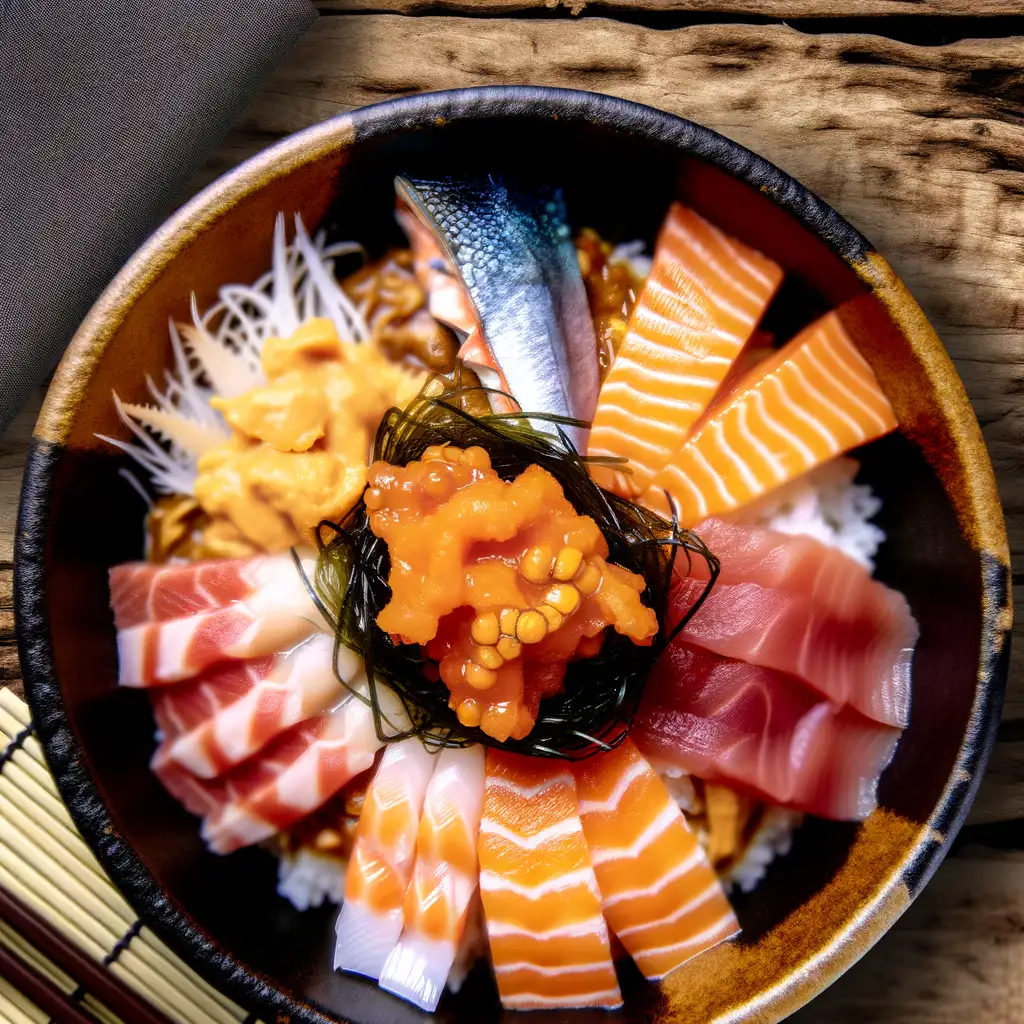
A seafood rice bowl featuring fresh sashimi from the Sea of Japan, often served over a bed of sushi rice.

Locally grown premium rice known for its excellent texture and flavor, often served as a staple side dish.

Grilled meat, typically beef, served with a variety of dipping sauces, popular in local restaurants.

A traditional Kanazawa dish made with duck or chicken simmered in a rich broth with vegetables and served with a side of rice.
A style of cuisine from the Kaga region that emphasizes seasonal ingredients, often presented in a multi-course meal known as kaiseki.
High-quality beef from the Noto Peninsula, known for its marbling and rich flavor, often enjoyed as steak or in shabu-shabu.
A variety of seasonal vegetables grown in the Kaga region, often used in traditional dishes and known for their unique flavors.
 Gold Leaf ProductsKaga Yuzen Silk ItemsWagashi (Traditional Japanese Sweets)Kutani Ware (Ceramic Pottery)Kanazawa LacquerwareOhi Ware (Tea Ceremony Pottery)Kanazawa Hyakumangoku SakeAme no Tawaraya (Handmade Candy)Kanazawa Folding UmbrellasLocal Soy Sauce or Miso

Kyoto feels like stepping into a living painting where every corner whispers stories from centuries past. The moment you wander beneath the vermilion torii gates of Fushimi Inari,or stroll through the serene bamboo groves of Arashiyama,you’re wrapped in a calm that’s both timeless and deeply alive. The air carries a subtle mix of incense from ancient temples and the delicate scent of cherry blossoms or autumn leaves,depending on the season. It’s a city that invites you to slow down,to listen to the soft rustle of kimono fabric on narrow streets and the gentle clink of tea cups in quiet teahouses.
Kyoto’s charm lies in its seamless blend of tradition and everyday life. You’ll find monks in saffron robes crossing paths with students on bicycles,and artisans crafting pottery or folding origami with meticulous care. The city’s rhythm is gentle but purposeful,like the steady flow of the Kamo River where locals gather to chat or enjoy a picnic. And the food—oh,the food! From delicate kaiseki meals that feel like edible art to street stalls offering warm yatsuhashi sweets,every bite tells a story of place and season.
What makes Kyoto truly unforgettable is how it feels like a sanctuary for the senses and the soul. Whether you’re watching the sun set behind golden temple roofs or sipping matcha in a quiet garden,there’s a profound sense of connection—to history,nature,and the simple beauty of everyday moments. It’s a city that stays with you long after you leave,quietly inviting you to return.
Imagine stepping into a city that buzzes with an infectious energy,where neon lights splash vibrant colors across the night sky and the air hums with laughter and chatter. That’s Osaka for you—a place that feels alive in the most welcoming way. It’s not just a city; it’s a warm,spirited friend who invites you to dive into its lively streets,where every corner tells a story. The scent of sizzling takoyaki and okonomiyaki wafts through the air,tempting you to stop and savor the rich,comforting flavors that define Osaka’s food culture.
Walking through Dotonbori,you’ll hear the rhythmic clatter of chefs flipping pancakes on hot griddles,mixed with the playful calls of street vendors. The city’s character shines in its blend of old and new—ancient castles stand proudly near bustling shopping arcades,and traditional theaters share space with quirky,modern cafes. People here are famously friendly and down-to-earth,always ready with a smile or a helpful tip,making you feel instantly at home.
What makes Osaka truly special is its unapologetic joyfulness. It’s a city that celebrates life through its food,festivals,and everyday moments. Whether you’re savoring a bowl of rich ramen,exploring vibrant markets,or simply soaking in the neon-lit riverbanks,Osaka wraps you in a warm embrace that lingers long after you leave. Trust me,once you experience its spirited charm,you’ll find yourself dreaming of coming back.
Hiroshima has this incredible mix of quiet reflection and vibrant life that stays with you long after you leave. When you walk through the city,there’s a gentle hum of everyday moments—people chatting over steaming bowls of okonomiyaki,the city’s famous savory pancake,or the soft rustle of leaves in Shukkeien Garden. The air carries a subtle blend of sea breeze and fresh greenery,grounding you in a place that’s both peaceful and full of stories.
What really sets Hiroshima apart is its spirit. The Peace Memorial Park is deeply moving,but it’s not just about history—it’s about hope and resilience. You can feel the city’s heartbeat in the way locals honor the past while embracing the future. Nearby,the bustling Hondori shopping street buzzes with energy,where neon signs flicker and laughter spills from cozy cafes and lively izakayas.
Don’t miss the chance to take a ferry to Miyajima Island,where the iconic floating torii gate seems to float on the water at high tide. The island’s serene forests and friendly deer add a magical touch to your visit. Hiroshima’s warmth isn’t just in its sights but in its people—their kindness and quiet strength make you feel like you’re part of something meaningful. It’s a city that invites you to slow down,listen,and soak in a unique blend of history,culture,and everyday beauty.
Tokyo feels like stepping into a living,breathing mosaic where tradition and futurism dance side by side. The moment you arrive,you’re swept up in a vibrant energy that hums through neon-lit streets and quiet temple gardens alike. Imagine the buzz of Shibuya Crossing,where hundreds of people move in perfect chaos,the air tinged with the scent of sizzling street food and fresh cherry blossoms in spring. It’s a city that never quite sleeps,yet somehow offers pockets of serene calm if you know where to look.
Walking through Tokyo,you’ll hear a symphony of sounds—from the rhythmic clatter of trains to the soft murmur of locals chatting over steaming bowls of ramen. The city’s character is a fascinating blend of meticulous order and playful creativity. You can find centuries-old shrines nestled between sleek skyscrapers,and quirky themed cafes that feel like stepping into another world. The taste of Tokyo is unforgettable too—whether it’s the delicate umami of sushi at a tiny neighborhood spot or the comforting warmth of matcha-flavored sweets.
What makes Tokyo truly unique is how it embraces contrasts without missing a beat. It’s a place where you can lose yourself in sprawling shopping districts,then find quiet reflection in a moss-covered garden. The people,warm and respectful,add a layer of kindness that makes the city feel welcoming despite its size. If you’re curious,open-hearted,and ready to explore,Tokyo will surprise you at every turn and leave you with stories you’ll want to share again and again.

If you ever find yourself craving a place where the ocean breeze carries a hint of tropical warmth and the streets hum with a laid-back island rhythm,Naha Shi in Okinawa is where you want to be. Walking through its bustling markets,you’ll catch the vibrant colors of fresh fruits and the spicy aroma of Okinawan cuisine wafting through the air—think sweet purple sweet potatoes and tangy goya stir-fries that tease your taste buds. The city feels alive but never rushed,like it’s inviting you to slow down and savor every moment.
Naha’s charm lies in its blend of old and new. You can wander through the historic Shuri Castle grounds,where the echoes of Ryukyu Kingdom royalty still seem to linger,then stroll just a few blocks to modern cafes and quirky shops that pulse with youthful energy. The locals are warm and welcoming,often eager to share stories or recommend their favorite spots for a refreshing sata andagi (Okinawan doughnut) or a cup of jasmine tea.
As the sun dips low,the harbor lights twinkle against the backdrop of turquoise waters,and the gentle sound of waves mingles with distant laughter from street performers. It’s a city that feels like a gentle embrace—rich in culture,alive with flavor,and wrapped in the kind of peaceful energy that makes you want to stay a little longer,just to soak it all in.
If you ever find yourself in Japan during winter,Sapporo-shi is a city that wraps you in a cozy,spirited embrace unlike anywhere else. Imagine crisp,snowy streets lined with softly glowing lanterns,the air tinged with the scent of pine and sizzling street food. The city hums with a lively yet laid-back energy—locals chatting over steaming bowls of miso ramen or clinking glasses of rich,locally brewed beer. It’s a place where modern city life meets nature’s quiet beauty,all under a sky that often blushes pink at sunset.
Walking through Odori Park,you’ll hear the crunch of fresh snow beneath your boots and catch glimpses of intricate ice sculptures shimmering in the cold air,especially during the famous Snow Festival. The architecture is a charming mix of clean,contemporary lines and historic European influences,giving the city a unique personality that feels both familiar and refreshingly new. Cafés spill warm light onto the streets,inviting you in to savor Hokkaido’s creamy dairy treats or a perfectly brewed cup of coffee.
What really makes Sapporo special is its genuine warmth—people here are friendly without being overbearing,proud of their city’s rich culture and natural bounty. Whether you’re wandering through the bustling Nijo Market tasting fresh seafood or hiking nearby trails that open up to breathtaking views,Sapporo feels like a place that invites you to slow down,breathe deeply,and savor every moment.

Tourists may book accommodations online that look appealing but arrive to find the actual conditions are far worse than advertised.
Tourists may encounter shops selling counterfeit or low-quality souvenirs at inflated prices, claiming they are authentic local crafts.
Unlicensed individuals may pose as tour guides, offering inaccurate information or charging exorbitant fees for their services.
Some taxi drivers may take advantage of tourists by taking unnecessarily long routes or charging higher fares than usual.
Certain restaurants may add hidden fees or charge tourists more than locals for the same dishes.
Street vendors may sell overpriced or fake goods, claiming they are unique to Kanazawa.
Some establishments offering tea ceremonies may charge excessive fees, targeting tourists unfamiliar with standard pricing.

Japan has very strict drug laws, and this includes Kanazawa-shi. The possession, use, or trafficking of illegal drugs is severely punished, with strict penalties including imprisonment and heavy fines. This applies to all forms of illegal drugs, including marijuana, which is illegal in Japan. Prescription medications that are legal in other countries may also be restricted, so it is important to check Japanese regulations and possibly obtain necessary documentation before bringing any medication into the country.

In Kanazawa-shi, as in many other parts of Japan, smoking is generally prohibited in many public places, including restaurants, cafes, and public transportation. There are designated smoking areas where smoking is allowed, and it is important to use these areas to avoid fines. Smoking on the streets is also restricted in many areas, particularly in busy or tourist-heavy zones. Always look for signs indicating whether smoking is permitted.

Vaping is subject to similar regulations as smoking in Kanazawa-shi. It is generally prohibited in public places and on public transportation. Designated smoking areas often allow vaping as well, but it is always best to check for specific signs or ask if you are unsure. Vaping on the streets may also be restricted in certain areas, so it is advisable to be cautious and look for designated areas.
 24.3 °C / 75.74 °F
 462000
 5/5
5/5 Japanese Yen (JPY)
What are other people saying about Kanazawa-shi?
Recent Social posts about Kanazawa-shi
There is nothing to show you for now.