


Ostend has this effortlessly cool seaside vibe that instantly makes you want to slow down and soak it all in. Imagine walking along a breezy promenade where the salty air mingles with the scent of fresh waffles and fried seafood from nearby stalls. The sound of waves crashing against the pier blends with the distant chatter of locals and tourists enjoying a sunny afternoon. It’s a place where the North Sea feels alive,and the city’s maritime spirit is woven into every corner. What I love most about Ostend is its blend of old-world charm and modern energy. You’ll find elegant Belle Époque architecture standing proudly alongside vibrant street art and cozy cafés where you can sip on rich Belgian coffee or a crisp local beer. The fish market is a lively spot in the morning,bursting with colors and the promise of the freshest catch,which you can later savor in one of the many seaside restaurants. There’s a genuine warmth in the way people here embrace their coastal lifestyle. Beyond the beach,Ostend pulses with culture—from quirky museums to lively festivals that celebrate everything from jazz to seafood. It’s not just a place to visit; it’s a place to feel connected to the sea,the history,and the friendly spirit of the people. If you’re craving a mix of relaxation,culture,and authentic Belgian coastal life,Ostend will surprise you in the best way.
 We are reviewing this city information
The information on this page is currently being reviewed by Tripkliq and should be used as a guide only


Eng word: Hello
Eng pronunciation: hah-loh
Local language: Hallo
Eng word: Goodbye
Eng pronunciation: toht zeens
Local language: Tot ziens
Eng word: Thank you
Eng pronunciation: dahnk yuh
Local language: Dank je
Eng word: How much
Eng pronunciation: hoo-veel
Local language: Hoeveel
Eng word: Toilet
Eng pronunciation: twah-let
Local language: Toilet
Eng word: Help me
Eng pronunciation: help may
Local language: Help me
Eng word: Yes
Eng pronunciation: yah
Local language: Ja
Eng word: No
Eng pronunciation: nay
Local language: Nee
Eng word: Excuse me
Eng pronunciation: par-don
Local language: Pardon
Ostend was originally a small fishing village founded in the 9th century on an island called Testerep. Its name means 'East End,' referring to its location at the eastern end of the island.
Ostend received its city charter in 1265, which marked its official recognition as a city and allowed it to develop its own local government and trade regulations.
In 1601, during the Eighty Years' War, Ostend was besieged by Spanish forces in what became known as the Siege of Ostend. The siege lasted for three years, making it one of the longest in history.
In the 19th century, Ostend became a favorite summer retreat for Belgian royalty, particularly King Leopold II, who contributed to the city's development as a fashionable seaside resort.
The Kursaal, a grand casino and concert hall, was built in 1852 and remains one of Ostend's most iconic landmarks. It has hosted numerous cultural events and performances over the years.
Ostend played a significant role during both World Wars. In World War I, it was occupied by German forces, and in World War II, it was heavily fortified as part of the Atlantic Wall.
The Mercator, a famous Belgian training ship, is now a museum ship permanently docked in Ostend. It was launched in 1932 and has sailed around the world, making it a symbol of Belgium's maritime heritage.
Ostend was the home of James Ensor, one of Belgium's most renowned painters. His house has been converted into a museum, offering visitors a glimpse into his life and work.
The Ostend Film Festival, established in 2007, has become an important cultural event, showcasing Belgian and international films and attracting filmmakers and cinema enthusiasts from around the world.


 TrainIf you prefer public transportation, you can take a train from the airport to the main area in Ostend. The train station is located near the airport and offers regular services to the city center. The journey takes around 15-20 minutes and provides a scenic view of the Belgian countryside.TaxiTaking a taxi is the most convenient and quickest way to get from the airport to the main area in Ostend. Taxis are readily available outside the airport terminal and the journey typically takes around 10-15 minutes depending on traffic.Ride ShareUsing a ride-sharing service like Uber or Lyft is another convenient option for getting to the main area from the airport. Simply request a ride through the app and wait for your driver to pick you up outside the terminal.Airport Shuttle BusThe airport shuttle bus is a cost-effective option for getting to the main area from the airport. The bus service operates at regular intervals and stops at key locations in the city, making it a convenient choice for budget-conscious travelers.


In Ostend, the most common Power Adaptor is Type C, Type E.




 NMBSExcess Baggage Company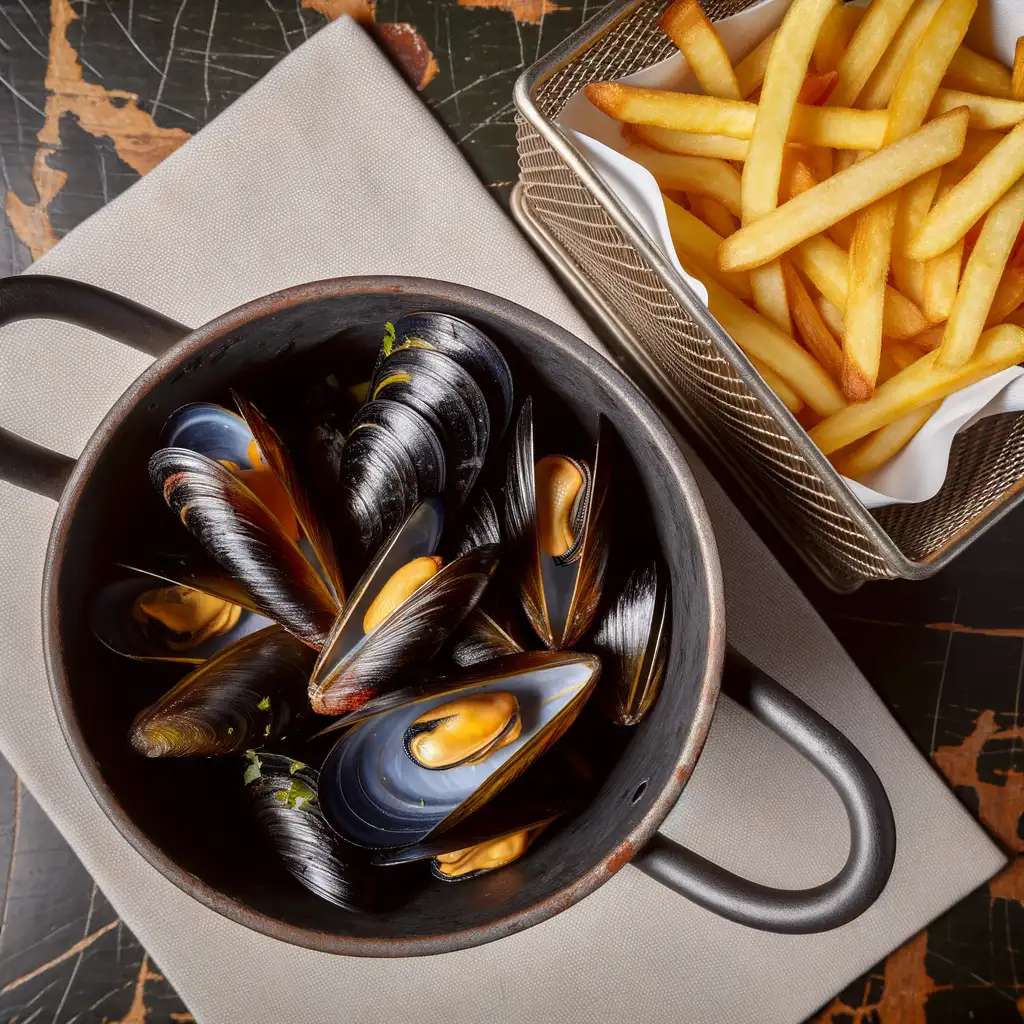

A classic Belgian dish of mussels served with crispy fries, often enjoyed with a variety of dipping sauces.

A savory pie made with local shellfish, often featuring a mix of mussels and other seafood, encased in a flaky pastry.
A local specialty, this dish features sole fish, typically pan-fried and served with a light sauce, showcasing the fresh seafood of the region.
A traditional Flemish stew made with fish or chicken, vegetables, and a creamy broth, often served with bread.
A unique Belgian fast-food burger that includes a special sauce, often topped with fried onions and pickles, popular in Ostend.
Eel cooked in a green herb sauce, a delicacy that highlights the local fishing culture and fresh ingredients.
 Ostend Seaweed Gin - A locally crafted gin infused with seaweed, reflecting the coastal flavors of Ostend.Belgian Chocolates from Leonidas or local chocolatiers - High-quality chocolates with unique flavors inspired by the region.Ostend Shrimp Croquette Mix - A DIY kit to recreate the famous North Sea shrimp croquettes at home.Seashell Art or Jewelry - Handcrafted items made from seashells collected from Ostend's beaches.Ostend Postcards or Art Prints - Beautiful illustrations or photographs of Ostend's iconic landmarks like the beach, pier, and Mercator ship.Mercator Ship Souvenirs - Miniature replicas or memorabilia of the famous Mercator sailing ship docked in Ostend.North Sea Salt - Locally harvested sea salt, perfect for cooking and a reminder of Ostend's coastal heritage.Ostend Beer - Specialty beers brewed in or inspired by Ostend, such as those from local breweries.Fishermen's Sweater - Traditional knitwear inspired by the clothing of Ostend's fishermen, combining practicality and style.Ostend-themed Tote Bags - Eco-friendly bags featuring designs or slogans related to Ostend's maritime culture.

Imagine stepping into a storybook where every cobblestone street and medieval spire whispers tales from centuries past—that’s Brugge for you. The moment you wander through its winding alleys,you’re wrapped in a quiet charm that feels both timeless and alive. The soft clip-clop of horse-drawn carriages mingles with the gentle lapping of canal waters,creating a soothing soundtrack that invites you to slow down and savor the moment.
As you stroll along the canals,the air carries a mix of fresh bread from nearby bakeries and the rich aroma of dark Belgian chocolate melting in cozy cafés. The city’s architecture is like a living museum,with ornate gabled houses and the towering Belfry standing proudly against the sky. But Brugge isn’t just about looking back—it pulses with a warm,welcoming energy. Locals chat animatedly over steaming mugs of coffee,and the lively market squares buzz with colorful stalls and laughter.
What really makes Brugge unforgettable is how it feels like a place where time stretches just enough for you to truly breathe it all in. Whether you’re savoring a perfectly crisp waffle topped with fresh berries or watching the sunset paint the canals gold,there’s a gentle magic here that stays with you long after you leave. It’s a city that invites you to slow your pace,open your senses,and fall a little in love with the art of simply being.
Imagine stepping into a city where every corner feels like a story waiting to unfold. Amsterdam has this effortlessly charming vibe—laid-back yet buzzing with life. As you wander along its iconic canals,you’ll hear the gentle splash of bike tires on cobblestones and the soft murmur of conversations spilling out from cozy cafés. The air carries a mix of fresh bread from nearby bakeries,the faint aroma of blooming tulips,and sometimes,the earthy scent of rain on old bricks. It’s a place that invites you to slow down and soak in the moment.
The city’s character is a beautiful blend of old-world charm and modern creativity. You’ll find centuries-old canal houses leaning slightly,their tall,narrow facades telling tales of merchants and artists from long ago. Yet,just around the corner,vibrant street art and innovative galleries pulse with contemporary energy. Amsterdam’s culture feels open and welcoming—people here cycle with a relaxed confidence,and there’s a genuine warmth in the way locals share their city.
Don’t miss sitting at a waterside café with a steaming cup of rich Dutch coffee and a slice of stroopwafel,watching boats drift lazily by. The city’s rhythm is unhurried but never dull,inviting you to explore its museums,markets,and hidden courtyards at your own pace. Amsterdam isn’t just a place to see—it’s a place to feel,taste,and live for a little while.
If you wander into Rotterdam,you’ll immediately notice its bold,unapologetic energy—a city that’s constantly reinventing itself with a fresh,modern pulse. Unlike the quaint,storybook charm of other Dutch cities,Rotterdam feels like a vibrant canvas splashed with daring architecture and buzzing creativity. The skyline is a jagged dance of glass and steel,with the iconic Cube Houses tilting playfully and the Erasmus Bridge stretching like a sleek swan over the water. It’s a place where old harbor grit meets futuristic design,and that contrast gives the city a unique heartbeat.
As you stroll along the Maas River,the salty breeze mingles with the aroma of fresh stroopwafels from a nearby market stall,and the hum of bicycles weaving through the streets blends with the distant clang of cranes working the port—the largest in Europe. The city’s cultural scene is alive and kicking,from edgy street art splashed across warehouse walls to cozy cafés where you can sip rich Dutch coffee while watching locals debate passionately about football or art.
What really sticks with you about Rotterdam is its spirit of resilience and innovation. It’s a city that rose from the ashes of World War II bombings,and that history is woven into its character—bold,open-minded,and welcoming. Whether you’re exploring the vibrant food markets,catching a live jazz show,or simply people-watching in a sunlit square,Rotterdam invites you to experience a fresh,dynamic side of the Netherlands that’s as warm as it is exciting.

If you wander into The Hague,you’ll immediately notice a unique blend of stately calm and vibrant life humming beneath the surface. It’s a city where grand government buildings and international courts stand shoulder to shoulder with cozy cafés and leafy parks. The air often carries a faint salty breeze from the nearby North Sea,mingling with the rich aroma of fresh stroopwafels and strong Dutch coffee wafting from street vendors. Walking along the canals,you’ll hear the gentle clatter of bicycles and the soft murmur of locals chatting in a mix of Dutch,English,and other languages,giving the city a wonderfully cosmopolitan yet approachable feel.
What really makes The Hague special is its balance between history and modernity. You can spend your morning exploring the impressive Mauritshuis museum,where Vermeer’s "Girl with a Pearl Earring" seems to watch you back,then stroll over to the buzzing Plein square for a lively lunch surrounded by locals and diplomats alike. The city’s parks,like the sprawling Haagse Bos,offer peaceful green escapes where you can hear birdsong and feel the crunch of leaves underfoot.
Evenings in The Hague have their own charm—whether it’s savoring fresh seafood at a harbor-side restaurant or catching a live jazz set in a tucked-away bar. The city doesn’t shout for attention but invites you to slow down,soak in its layers,and discover a place that feels both worldly and warmly familiar. Trust me,once you’ve experienced The Hague’s understated elegance and friendly pulse,you’ll want to come back for more.
If you step into the City of London,you immediately feel the pulse of a place where history and modern life collide in the most fascinating way. It’s not just a financial hub; it’s a living,breathing mosaic of centuries-old cobblestone streets weaving between towering glass skyscrapers. As you wander,you’ll hear the steady hum of business mingling with the distant chime of church bells,and catch the faint aroma of fresh coffee drifting from cozy cafés tucked into narrow alleys. There’s a rhythm here that’s both energizing and oddly comforting.
What makes the City truly special is its character—a blend of tradition and innovation. You can stand beside the ancient Roman walls,then turn to marvel at the sleek silhouette of the Gherkin or the Shard piercing the sky. The markets,like Leadenhall,buzz with chatter and the scent of street food,offering everything from spicy curries to flaky pastries. It’s a place where you can savor a perfectly brewed cup of English tea in a centuries-old pub,then stroll to a rooftop bar for a cocktail with a panoramic view of the Thames.
The City’s culture is a tapestry of stories—tales of merchants,bankers,and artists who shaped London’s identity. It’s a place that invites you to slow down and notice the details:the intricate carvings on a church door,the quiet green spaces tucked between office blocks,or the lively street performers adding color to the daily grind. Visiting the City of London feels like stepping into a story that’s still being written,and you get to be part of it.
Imagine stepping into a city where the air hums with a gentle mix of history and modern cool—that’s Copenhagen. It’s the kind of place where colorful buildings line the canals,their reflections shimmering in the water as bicycles whiz by,bells jingling softly. The vibe is effortlessly relaxed but alive,like a friend who’s both thoughtful and full of surprises. You’ll catch the scent of fresh pastries mingling with salty sea air,and the chatter spilling out from cozy cafés invites you to slow down and savor the moment.
Walking through the streets,you feel the city’s heartbeat in its blend of old-world charm and cutting-edge design. There’s a warmth in the way locals greet each other,a genuine friendliness that makes you feel instantly welcome. Stop by a street market and you’ll taste the freshness of Danish rye bread,tangy pickled herring,or maybe a sweet,flaky Danish pastry that melts in your mouth. At night,the city transforms with twinkling lights reflecting off the harbor,and the hum of lively bars and intimate jazz clubs fills the air.
What makes Copenhagen truly special is how it balances simplicity with sophistication. It’s a place where you can lose yourself in a quiet park one moment and then dive into a world-class culinary scene the next. Whether you’re wandering through the historic Nyhavn district or exploring innovative art galleries,the city invites you to experience life at a thoughtful,joyful pace. Trust me,Copenhagen stays with you long after you leave.

Scammers may install skimming devices on ATMs to steal card information. Always use ATMs in well-lit, secure locations and check for any suspicious devices before inserting your card.
Some vendors may charge excessive fees for renting beach chairs, umbrellas, or other equipment. Confirm the price beforehand to avoid surprises.
Scammers may pose as charity workers asking for donations. They often use fake documents or emotional stories to pressure tourists into giving money.
Unlicensed individuals may offer guided tours or services, charging high fees for subpar or incomplete experiences. Always book tours through reputable agencies.
Some taxi drivers may take advantage of tourists by overcharging or taking unnecessarily long routes. Always use licensed taxis and agree on a fare beforehand or ensure the meter is running.
Some shops or vendors near tourist areas may charge inflated prices for souvenirs, food, or services, especially if they sense you are unfamiliar with local pricing.
Pickpockets often target crowded areas like the beach, train stations, or tourist hotspots. They may work in groups and use distractions to steal wallets, phones, or other valuables.
Scammers set up street games like 'shell games' or 'three-card monte' to lure tourists into betting money. These games are rigged, and accomplices often pose as winners to trick others into playing.

Belgium has strict laws regarding the possession, use, and distribution of drugs. Possession of small amounts of cannabis for personal use is decriminalized but can still result in a fine. However, the use of cannabis and other drugs in public places is illegal and can lead to legal consequences. Hard drugs are strictly prohibited, and possession or distribution can result in severe penalties, including imprisonment.

In Ostend, Belgium, smoking is prohibited in all enclosed public spaces, including restaurants, bars, and public transportation. There are designated smoking areas in some public places, but it is important to look for signs indicating where smoking is allowed. Smoking is also banned in certain outdoor areas, such as playgrounds and near school entrances.

Vaping in Ostend follows similar regulations to smoking. It is prohibited in enclosed public spaces and on public transportation. Some establishments may have designated areas for vaping, but it is best to look for signs or ask staff for guidance. Vaping is also restricted in certain outdoor areas, similar to smoking.
 23.9 °C / 75.02 °F
 71332
71332 4/5
4/5 Euro (EUR)
What are other people saying about Ostend?
Recent Social posts about Ostend
There is nothing to show you for now.