


If you wander into Toshima-ku,you’ll immediately feel this lively,welcoming pulse that’s both urban and surprisingly cozy. It’s a place where the buzz of Tokyo softens into something more approachable—like a neighborhood that’s quietly proud of its quirks. As you stroll through Ikebukuro,the main hub here,your senses will be treated to a vibrant mix:the chatter of locals and students,the inviting aroma of fresh ramen wafting from tiny eateries,and the colorful neon signs flickering to life as evening falls. It’s a spot where modern energy meets a touch of old-school charm. What’s really special about Toshima is how it balances culture and comfort. You can dive into the world of anime and manga at the countless shops and themed cafes,then slip into a peaceful park or a traditional shrine just a few blocks away. The streets hum with creativity,from street art to indie bookstores,making it a playground for curious minds. And don’t miss the chance to savor local flavors—whether it’s a steaming bowl of tonkotsu ramen or a sweet melon pan fresh from the oven,the food here feels like a warm hug. Visiting Toshima feels like stepping into a story where every corner has a character,every alley whispers a secret,and every moment invites you to slow down and soak it all in. It’s not just a place to see,but a place to feel alive,curious,and connected.
 We are reviewing this city information
The information on this page is currently being reviewed by Tripkliq and should be used as a guide only


Eng word: Hello
Eng pronunciation: Konnichiwa
Local language: こんにちは
Eng word: Goodbye
Eng pronunciation: Sayōnara
Local language: さようなら
Eng word: Thank you
Eng pronunciation: Arigatō
Local language: ありがとう
Eng word: How much
Eng pronunciation: Ikura
Local language: いくら
Eng word: Toilet
Eng pronunciation: Toire
Local language: トイレ
Eng word: Help me
Eng pronunciation: Tasukete
Local language: 助けて
Eng word: Yes
Eng pronunciation: Hai
Local language: はい
Eng word: No
Eng pronunciation: Iie
Local language: いいえ
Eng word: Excuse me
Eng pronunciation: Sumimasen
Local language: すみません
Toshima-ku, officially known as Toshima City, was established as a city ward within Tokyo in 1932, showcasing its long-standing significance in Tokyo's urban development.
The name 'Toshima' is believed to have originated from the ancient Toshima family, who were influential in the region during the Edo period (1603-1868), highlighting the area's deep historical roots.
Sugamo Jizo-dori Shopping Street, known affectionately as 'Grandma’s Harajuku', is famous for its vibrant atmosphere and is centered around Koganji Temple, drawing visitors for both shopping and spiritual solace.
Ikebukuro, a major commercial and entertainment district in Toshima, rose to prominence in the 20th century and is now known for its shopping complexes, anime culture, and as a transportation hub.
Rikkyo University, with its historical Gothic-style buildings, was founded in Toshima in 1874, making it one of Japan's oldest private universities and a significant educational and architectural landmark.
Opened in 1978, Sunshine City, Japan’s first city within a city, showcases an innovative urban development model with its skyscrapers, aquarium, planetarium, and shopping centers, symbolizing modern Toshima.
The Togenuki Jizo statue at Koganji Temple in Sugamo is reputed for its power to heal illnesses and ailments, drawing thousands of visitors seeking blessings for their health.
Toshima is home to a rich variety of cultural festivals, such as the Sugamo Jizo-bon Festival and the Ikebukuro Festival, that showcase its vibrant local traditions and community spirit.
Despite its urban development, Toshima has actively worked to conserve its natural springs and green spaces, such as those at Nishigaoka Soccer Stadium, emphasizing the ward’s commitment to environmental sustainability.


 TrainTaking the train is a convenient and efficient way to travel from the airport area in Toshima-ku to the main place. The train system in Japan is known for its punctuality and extensive coverage, making it a popular choice for both locals and tourists.TaxiTaking a taxi is the most convenient option to get from the airport area in Toshima-ku to the main place. It offers door-to-door service and can be faster than other modes of transportation, especially during peak hours.Ride ShareUsing a ride-sharing service like Uber or Lyft is another convenient option for traveling from the airport area to the main place. It can be more cost-effective than taking a taxi, especially if you are traveling with a group.Airport Shuttle BusThe airport shuttle bus is a budget-friendly option for getting from the airport area to the main place. However, it may take longer than other modes of transportation as it makes multiple stops along the way.


In Toshima-ku, the most common Power Adaptor is Type A, Type B.




 Various providers available at different terminals
 Location not specified
 Price not specified
 Opening hours: at different terminalsLockers available at the stationLocation not specifiedPrice not specifiedOpening hours: at the stationLockers available at both terminalsLocation not specifiedPrice not specifiedOpening hours: at both terminalsLockers available at the stationLocation not specifiedPrice not specifiedOpening hours: at the station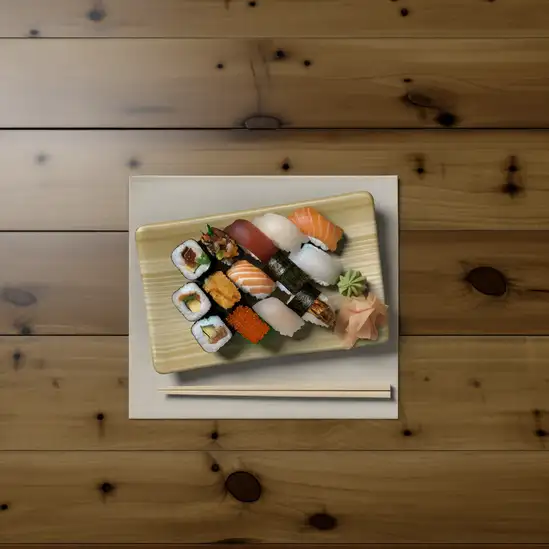

Fresh vinegared rice paired with various ingredients, including raw fish, vegetables, and seaweed, available in many sushi bars throughout the area.
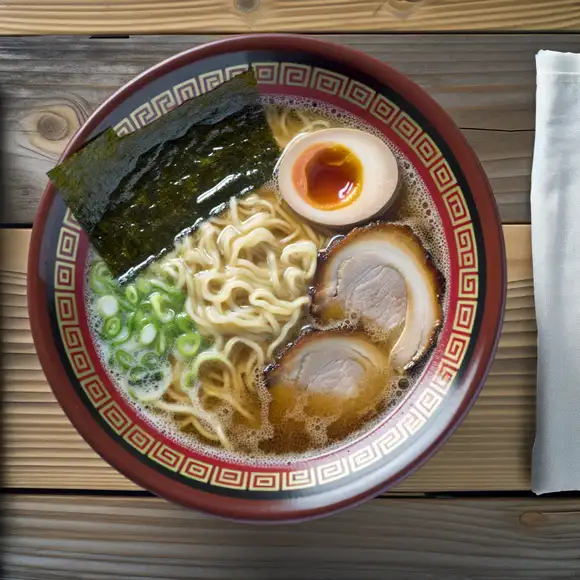
A flavorful noodle soup that comes in various styles, including shoyu, miso, and tonkotsu, with toppings like sliced pork, green onions, and nori.
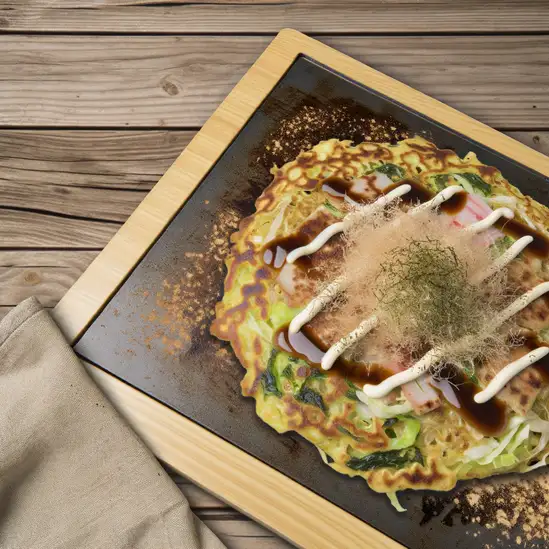
A savory pancake made with flour, eggs, shredded cabbage, and various toppings, often cooked on a griddle at the table.

Ball-shaped snacks made from a batter filled with diced octopus, tempura scraps, and green onions, typically topped with takoyaki sauce and bonito flakes.

Grilled meat, often served with a variety of dipping sauces and side dishes, popular in many izakayas and restaurants in Toshima-ku.

A rice bowl topped with a breaded and fried pork cutlet, egg, and onions, often served with a savory sauce.
Japanese dumplings filled with ground meat and vegetables, pan-fried or steamed, often served with a soy-based dipping sauce.
 Ikebukuro-themed souvenirs (keychains, magnets, or tote bags featuring Sunshine City or Ikebukuro landmarks)Tokyo Metropolitan Theatre merchandise (postcards, posters, or music-related items)Anime and manga collectibles from Otome Road (limited-edition figurines, posters, or character goods)Traditional Japanese sweets from local confectioneries (wagashi, dorayaki, or senbei)Fukuro (owl) merchandise (plush toys, accessories, or home decor inspired by Ikebukuro's owl mascot)Handcrafted pottery or ceramics from local artisansJapanese stationery from specialty stores (notebooks, pens, or washi tape with unique designs)Limited-edition Pokémon Center items (plushies, apparel, or accessories exclusive to the Ikebukuro location)Traditional Japanese tea sets or premium green tea from local shopsUnique fashion accessories from Ikebukuro's trendy shopping districts (scarves, jewelry, or handbags)

Tokyo feels like stepping into a living,breathing mosaic where tradition and futurism dance side by side. The moment you arrive,you’re swept up in a vibrant energy that hums through neon-lit streets and quiet temple gardens alike. Imagine the buzz of Shibuya Crossing,where hundreds of people move in perfect chaos,the air tinged with the scent of sizzling street food and fresh cherry blossoms in spring. It’s a city that never quite sleeps,yet somehow offers pockets of serene calm if you know where to look.
Walking through Tokyo,you’ll hear a symphony of sounds—from the rhythmic clatter of trains to the soft murmur of locals chatting over steaming bowls of ramen. The city’s character is a fascinating blend of meticulous order and playful creativity. You can find centuries-old shrines nestled between sleek skyscrapers,and quirky themed cafes that feel like stepping into another world. The taste of Tokyo is unforgettable too—whether it’s the delicate umami of sushi at a tiny neighborhood spot or the comforting warmth of matcha-flavored sweets.
What makes Tokyo truly unique is how it embraces contrasts without missing a beat. It’s a place where you can lose yourself in sprawling shopping districts,then find quiet reflection in a moss-covered garden. The people,warm and respectful,add a layer of kindness that makes the city feel welcoming despite its size. If you’re curious,open-hearted,and ready to explore,Tokyo will surprise you at every turn and leave you with stories you’ll want to share again and again.
Kyoto feels like stepping into a living painting where every corner whispers stories from centuries past. The moment you wander beneath the vermilion torii gates of Fushimi Inari,or stroll through the serene bamboo groves of Arashiyama,you’re wrapped in a calm that’s both timeless and deeply alive. The air carries a subtle mix of incense from ancient temples and the delicate scent of cherry blossoms or autumn leaves,depending on the season. It’s a city that invites you to slow down,to listen to the soft rustle of kimono fabric on narrow streets and the gentle clink of tea cups in quiet teahouses.
Kyoto’s charm lies in its seamless blend of tradition and everyday life. You’ll find monks in saffron robes crossing paths with students on bicycles,and artisans crafting pottery or folding origami with meticulous care. The city’s rhythm is gentle but purposeful,like the steady flow of the Kamo River where locals gather to chat or enjoy a picnic. And the food—oh,the food! From delicate kaiseki meals that feel like edible art to street stalls offering warm yatsuhashi sweets,every bite tells a story of place and season.
What makes Kyoto truly unforgettable is how it feels like a sanctuary for the senses and the soul. Whether you’re watching the sun set behind golden temple roofs or sipping matcha in a quiet garden,there’s a profound sense of connection—to history,nature,and the simple beauty of everyday moments. It’s a city that stays with you long after you leave,quietly inviting you to return.
Imagine stepping into a city that buzzes with an infectious energy,where neon lights splash vibrant colors across the night sky and the air hums with laughter and chatter. That’s Osaka for you—a place that feels alive in the most welcoming way. It’s not just a city; it’s a warm,spirited friend who invites you to dive into its lively streets,where every corner tells a story. The scent of sizzling takoyaki and okonomiyaki wafts through the air,tempting you to stop and savor the rich,comforting flavors that define Osaka’s food culture.
Walking through Dotonbori,you’ll hear the rhythmic clatter of chefs flipping pancakes on hot griddles,mixed with the playful calls of street vendors. The city’s character shines in its blend of old and new—ancient castles stand proudly near bustling shopping arcades,and traditional theaters share space with quirky,modern cafes. People here are famously friendly and down-to-earth,always ready with a smile or a helpful tip,making you feel instantly at home.
What makes Osaka truly special is its unapologetic joyfulness. It’s a city that celebrates life through its food,festivals,and everyday moments. Whether you’re savoring a bowl of rich ramen,exploring vibrant markets,or simply soaking in the neon-lit riverbanks,Osaka wraps you in a warm embrace that lingers long after you leave. Trust me,once you experience its spirited charm,you’ll find yourself dreaming of coming back.

If you ever find yourself craving a place where the ocean breeze carries a hint of tropical warmth and the streets hum with a laid-back island rhythm,Naha Shi in Okinawa is where you want to be. Walking through its bustling markets,you’ll catch the vibrant colors of fresh fruits and the spicy aroma of Okinawan cuisine wafting through the air—think sweet purple sweet potatoes and tangy goya stir-fries that tease your taste buds. The city feels alive but never rushed,like it’s inviting you to slow down and savor every moment.
Naha’s charm lies in its blend of old and new. You can wander through the historic Shuri Castle grounds,where the echoes of Ryukyu Kingdom royalty still seem to linger,then stroll just a few blocks to modern cafes and quirky shops that pulse with youthful energy. The locals are warm and welcoming,often eager to share stories or recommend their favorite spots for a refreshing sata andagi (Okinawan doughnut) or a cup of jasmine tea.
As the sun dips low,the harbor lights twinkle against the backdrop of turquoise waters,and the gentle sound of waves mingles with distant laughter from street performers. It’s a city that feels like a gentle embrace—rich in culture,alive with flavor,and wrapped in the kind of peaceful energy that makes you want to stay a little longer,just to soak it all in.
If you ever find yourself in Japan during winter,Sapporo-shi is a city that wraps you in a cozy,spirited embrace unlike anywhere else. Imagine crisp,snowy streets lined with softly glowing lanterns,the air tinged with the scent of pine and sizzling street food. The city hums with a lively yet laid-back energy—locals chatting over steaming bowls of miso ramen or clinking glasses of rich,locally brewed beer. It’s a place where modern city life meets nature’s quiet beauty,all under a sky that often blushes pink at sunset.
Walking through Odori Park,you’ll hear the crunch of fresh snow beneath your boots and catch glimpses of intricate ice sculptures shimmering in the cold air,especially during the famous Snow Festival. The architecture is a charming mix of clean,contemporary lines and historic European influences,giving the city a unique personality that feels both familiar and refreshingly new. Cafés spill warm light onto the streets,inviting you in to savor Hokkaido’s creamy dairy treats or a perfectly brewed cup of coffee.
What really makes Sapporo special is its genuine warmth—people here are friendly without being overbearing,proud of their city’s rich culture and natural bounty. Whether you’re wandering through the bustling Nijo Market tasting fresh seafood or hiking nearby trails that open up to breathtaking views,Sapporo feels like a place that invites you to slow down,breathe deeply,and savor every moment.
If you ever find yourself wandering through Fukuoka,you’ll immediately notice its effortless blend of energy and ease. It’s a city that hums with life but never feels overwhelming—like a close friend who’s always up for a good time but knows when to slow down. The streets buzz with the chatter of locals and the sizzle of street food stalls,especially around Nakasu and Tenjin,where the aroma of freshly grilled yakitori and rich tonkotsu ramen fills the air,tempting you to stop and savor every bite. There’s a warmth here,not just in the food but in the people,who greet you with genuine smiles and a relaxed hospitality that makes you feel instantly at home.
Walking along the waterfront at Ohori Park,you’ll catch the gentle rustle of leaves and the soft ripple of water,a peaceful contrast to the city’s vibrant core. Fukuoka’s character shines in its seamless mix of old and new—from ancient temples tucked between modern buildings to lively festivals that light up the streets with color and music. It’s a place where tradition and innovation dance together,inviting you to explore both the quiet corners and the bustling markets.
What really sets Fukuoka apart is its pace—fast enough to keep you intrigued but slow enough to savor. Whether you’re sipping a cold beer at a yatai stall under the stars or wandering through the lively shopping arcades,you’ll feel a genuine connection to the city’s rhythm. It’s a place that stays with you long after you leave,making you eager to return and discover even more.

Scammers may install skimming devices on ATMs to steal card information from unsuspecting tourists withdrawing cash.
Tourists may be lured into bars or nightclubs with promises of cheap drinks or no cover charge, only to receive an inflated bill with hidden fees or exorbitant charges.
Tourists may be sold counterfeit or low-quality goods at inflated prices, especially in areas with street vendors or small shops.
Individuals posing as charity workers may approach tourists, asking for donations to fake causes or organizations.
Unlicensed individuals may offer to guide tourists around the city, providing subpar services or charging hidden fees.
In busy areas like Ikebukuro Station, pickpockets may target tourists distracted by their surroundings.
Scammers may approach tourists on the street, offering services like massages, karaoke, or 'special' experiences, which often lead to overpriced or low-quality services.
Some taxi drivers may take longer routes or charge excessive fees, especially if the tourist is unfamiliar with the area.

Japan has very strict drug laws. The possession, use, or trafficking of illegal drugs, including marijuana, is strictly prohibited and can result in severe penalties, including imprisonment. Prescription medications should be carried with a copy of the prescription and a doctor's note. Some over-the-counter medications available in other countries may be illegal in Japan, so it's important to check regulations before bringing any medication into the country.

In Toshima-ku, Japan, smoking is generally prohibited in many public places, including streets, parks, and other outdoor areas. Designated smoking areas are available and should be used. Violators may face fines. Restaurants and bars may have specific smoking areas, but it's best to check for signs or ask staff.

Vaping follows similar regulations to smoking in Toshima-ku. It is prohibited in public places and should only be done in designated areas. Always look for signs indicating where vaping is allowed to avoid fines.
 23.6 °C / 74.48 °F
 301000
 5/5
5/5 Japanese Yen (JPY)
What are other people saying about Toshima-ku?
Recent Social posts about Toshima-ku
There is nothing to show you for now.