

If you wander into Udine,you’ll immediately feel this warm,inviting pulse that’s both lively and laid-back—a place where history and everyday life blend effortlessly. The city’s charming piazzas are alive with the chatter of locals sipping espresso,the clink of glasses from cozy trattorias,and the occasional strum of a street musician’s guitar. It’s the kind of place where time slows just enough for you to savor the moment,whether you’re people-watching or strolling beneath the soft shade of ancient arcades. Udine’s architecture tells stories at every turn,from the elegant Venetian-style palaces to the fortress-like Castello that crowns the city. Walking through its narrow streets,you catch the scent of freshly baked focaccia mingling with the earthy aroma of nearby vineyards. The markets burst with vibrant colors—plump grapes,fragrant herbs,and local cheeses that practically beg to be tasted. And speaking of taste,the food here is a delicious blend of Italian and Central European influences,so don’t miss trying frico,a crispy,cheesy delight that feels like a warm hug on a plate. What really makes Udine special is its genuine,unpretentious character. It’s not about flashy tourist spots but about soaking in the rhythms of daily life,chatting with friendly shopkeepers,and discovering little corners where history and culture quietly thrive. Visiting Udine feels like stepping into a story where you’re both the curious traveler and the welcomed guest.
 We are reviewing this city information
The information on this page is currently being reviewed by Tripkliq and should be used as a guide only


Eng word: Hello
Eng pronunciation: chow
Local language: Ciao
Eng word: Goodbye
Eng pronunciation: ah-ree-veh-DEHR-chee
Local language: Arrivederci
Eng word: Thank you
Eng pronunciation: GRAH-tsee-eh
Local language: Grazie
Eng word: How much
Eng pronunciation: KWAN-toh KOH-stah
Local language: Quanto costa
Eng word: Toilet
Eng pronunciation: BAHN-yo
Local language: Bagno
Eng word: Help me
Eng pronunciation: ah-YOO-tah-mee
Local language: Aiutami
Eng word: Yes
Eng pronunciation: see
Local language: Sì
Eng word: No
Eng pronunciation: noh
Local language: No
Eng word: Excuse me
Eng pronunciation: SKOO-zee
Local language: Scusi
Udine's history dates back to the early medieval period, with its first mention in historical records in 983 AD. The city grew around a hill, which became the site of its iconic castle.
The Udine Castle, perched on a hill in the city center, was originally built in the 10th century. It has been rebuilt several times and now houses the Civic Museums, showcasing art and history.
Often referred to as the most beautiful square in the region, Piazza della Libertà features Venetian Gothic architecture, including the Loggia del Lionello, which dates back to 1448.
Udine became part of the Republic of Venice in 1420, and the Venetian influence is evident in its architecture and culture. The city remained under Venetian rule for nearly four centuries.
The Udine Cathedral, or Duomo di Udine, was built in the 13th century and features a mix of Gothic and Baroque styles. Its interior is adorned with stunning frescoes by Tiepolo.
Udine is the birthplace of Giovanni da Udine, a renowned Renaissance artist and architect who worked closely with Raphael. His legacy is celebrated in the city's artistic heritage.
Udine is home to several masterpieces by Giovanni Battista Tiepolo, one of the greatest painters of the 18th century. His frescoes can be admired in the Archbishop's Palace and other locations.
The Monument to Freedom, located in Piazza della Libertà, symbolizes the city's historical connection to the Venetian Republic and its enduring spirit of independence.
Udine is the historical and cultural heart of the Friuli region, known for its unique language, traditions, and cuisine. The city serves as a gateway to exploring the rich heritage of Friuli.


 TrainWhile there is a train service available, it may require a transfer and is less direct compared to other options. It is less popular among travelers with heavy luggage or those unfamiliar with the local transit system.TaxiTaxis are readily available at the airport and provide a direct route to your destination. They are a reliable option, though they may be more expensive than ride-sharing services.Ride ShareRide-sharing services like Uber or local alternatives are popular for their convenience and ease of use. They offer door-to-door service and can be booked via a mobile app, making them a preferred choice for many travelers.Airport Shuttle BusThe airport shuttle bus offers a cost-effective way to reach the main area of Udine. It operates on a fixed schedule and can accommodate multiple passengers, making it a popular choice for budget-conscious travelers.OtherBiking or walking are options for those who prefer a more active approach, but they are not practical for most travelers with luggage or those looking for a quick transfer.


In Udine, the most common Power Adaptor is Type C, Type F.




 Provider:Local Municipality; Location:Near the main square; Pricing:Approximately €3 for 6 hours; Important Points:Ideal for short-term storage while exploring the city center
 square; Pricing:Approximately €3 for 6 hours; Important Points:Ideal for short-term storage while exploring the city center
 Price not specified
 No additional informationProvider:Airport Services; Location:Near the arrivals area; Pricing:Approximately €6 for 24 hours; Important Points:Suitable for travelers arriving or departingLocation not specifiedPrice not specifiedNo additional informationProvider:Trenitalia; Location:Inside the train station; Pricing:Approximately €5 for 24 hours; Important Points:Lockers are available in various sizesstation; Pricing:Approximately €5 for 24 hours; Important Points:Lockers are available in various sizesPrice not specifiedOpening hours: in various sizes,and the station is centrally located,making it convenient for tourists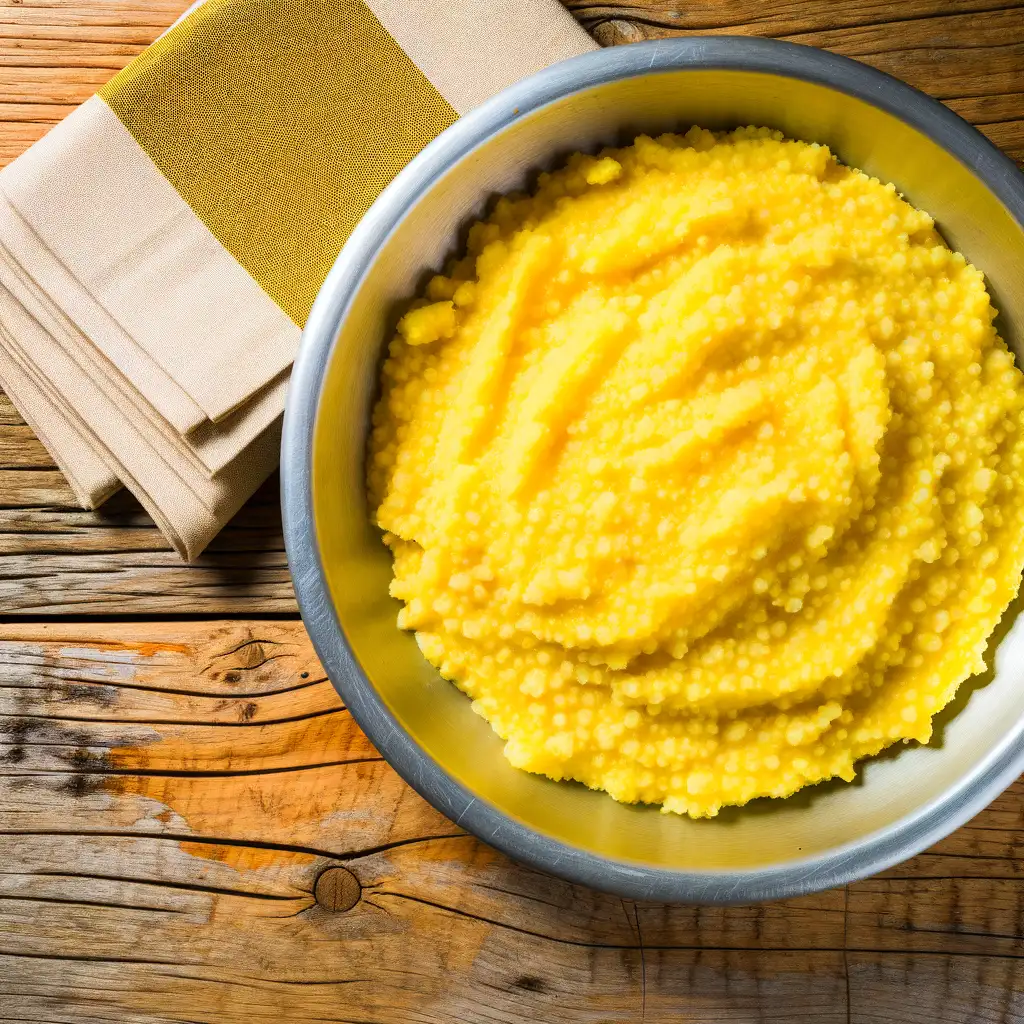

A staple dish made from cornmeal, often served with various sauces, meats, or cheeses, reflecting the region's culinary traditions.

A traditional dish made from cheese, potatoes, and onions, often served crispy and golden brown.

Grilled mackerel, a popular seafood dish in Udine, often seasoned with local herbs and served with a side of vegetables.

Stuffed pasta that can be filled with a variety of ingredients, including potatoes, herbs, and sometimes sweet fillings, typically served with butter and sage.
A sweet pastry filled with nuts, raisins, and spices, traditionally served during festive occasions.
A renowned dry-cured ham from the nearby town of San Daniele, known for its delicate flavor and melt-in-your-mouth texture.
 Friulian Wine - A bottle of locally produced Friulian wine, such as Friulano or Refosco, showcasing the region's renowned winemaking tradition.San Daniele Prosciutto - A package of the famous cured ham from the nearby town of San Daniele, a delicacy unique to the region.Gubana Cake - A traditional Friulian dessert made with nuts, raisins, and spices, perfect for sharing with loved ones.Handcrafted Friulian Ceramics - Beautifully designed pottery and ceramics made by local artisans, reflecting the region's artistic heritage.Cividale del Friuli Silver Jewelry - Unique silver jewelry inspired by the Lombard heritage of the nearby town of Cividale del Friuli.Friulian Grappa - A bottle of high-quality grappa, a traditional Italian spirit distilled in the Friuli Venezia Giulia region.Traditional Wooden Clogs (Scarpets) - Handmade Friulian clogs or slippers, a charming and practical gift with local flair.Udine-Themed Art Prints - Artistic prints or illustrations of Udine's landmarks, such as Piazza Libertà or the Udine Castle, as a memorable keepsake.Local Olive Oil - A bottle of premium olive oil produced in the Friuli Venezia Giulia region, known for its exceptional quality.Books on Friulian Culture - A book or guide about the history, art, and traditions of Udine and the Friuli region, offering a deeper connection to the area.

Imagine stepping into a city where every corner feels like a scene from a timeless painting—Venice is exactly that kind of place. The moment you arrive,the gentle lapping of water against ancient stone buildings wraps around you like a soft melody. Instead of streets,there are winding canals,and instead of cars,gondolas glide silently beneath ornate bridges,their oars dipping rhythmically into the emerald water. The air carries a mix of salty sea breeze and the faint aroma of fresh espresso and baked pastries from nearby cafés,inviting you to slow down and savor the moment.
Venice has this magical,almost dreamlike quality. The light here is different—soft and golden in the mornings,casting long shadows on the labyrinth of narrow alleys and colorful facades. You’ll find yourself wandering without a map,getting delightfully lost among the bustling markets,where vendors call out in melodic Italian,selling everything from fresh seafood to vibrant Murano glass. The city’s rich history whispers from every corner,from the grandeur of St. Mark’s Basilica to the quiet charm of tucked-away piazzas where locals sip wine and chat as if time has paused.
What makes Venice truly unforgettable is its rhythm—slow,intimate,and deeply human. It’s a place where you can hear the laughter of children playing by the water,the clinking of glasses in cozy trattorias,and the soft hum of a street musician’s violin. Visiting Venice isn’t just about seeing a city; it’s about feeling its heartbeat,tasting its flavors,and becoming part of its endless story.
If you ever find yourself wandering through Trieste,you’ll immediately notice its unique blend of old-world charm and cosmopolitan flair. The city feels like a crossroads where the Mediterranean meets Central Europe,and that mix is everywhere—from the elegant Austro-Hungarian architecture lining the waterfront to the lively cafés where locals sip strong espresso while chatting animatedly. There’s a gentle sea breeze carrying the salty tang of the Adriatic,mingling with the rich aroma of freshly baked pastries and roasted coffee beans. It’s a place that invites you to slow down and savor the moment.
Walking along the Piazza Unità d’Italia,you’ll hear the soft murmur of waves against the harbor,punctuated by the distant call of seagulls and the clinking of glasses from nearby terraces. The city’s history whispers through its narrow streets and grand squares,but it’s the warmth of the people that truly makes Trieste special. They’re proud of their city’s layered identity—Italian,Slovenian,Austrian—and it shows in the food,the language,and the festivals that celebrate this rich tapestry.
Don’t miss trying a slice of the local favorite,jota—a hearty bean and sauerkraut stew that tastes like a comforting hug on a chilly day. And if you’re a book lover,the city’s literary past,with figures like James Joyce having called it home,adds an extra layer of magic. Trieste isn’t just a place to visit; it’s a place to feel,to breathe in,and to carry with you long after you’ve left.

Florence feels like stepping into a living masterpiece. The moment you wander through its cobblestone streets,you’re wrapped in a warm embrace of history and art that’s impossible to ignore. Everywhere you look,grand Renaissance palaces and churches rise against the sky,their terracotta roofs glowing softly in the afternoon sun. The air carries a mix of fresh espresso,baked bread,and the faint scent of leather from the bustling markets. It’s a city that hums with quiet energy—artists sketching by the Arno River,locals chatting animatedly over glasses of Chianti,and the distant melody of street musicians weaving through piazzas.
What makes Florence truly special is its soul. It’s not just about the famous Duomo or the Uffizi’s priceless art; it’s the way the city invites you to slow down and savor every moment. Sit at a tiny café,sip a rich cappuccino,and watch the world drift by. Taste the creamy gelato that melts on your tongue,or indulge in a plate of fresh pasta that tastes like it was made just for you. The people here carry a deep pride in their heritage,and their warmth makes you feel like you’re part of a timeless story.
At sunset,the city transforms. The golden light softens the stone buildings,and the Arno reflects a palette of pinks and purples. Walking across the Ponte Vecchio,with its quaint shops and twinkling lights,you realize Florence isn’t just a place to visit—it’s a feeling you carry with you long after you leave.
If you wander into the Città Metropolitana di Milano,you’ll immediately feel the pulse of a city that’s both fiercely modern and deeply rooted in history. Milan isn’t just Italy’s fashion capital—it’s a vibrant mosaic where sleek skyscrapers stand shoulder to shoulder with centuries-old cathedrals. As you stroll through its streets,the air hums with the chatter of locals sipping espresso at sun-dappled cafés,the clinking of glasses from bustling aperitivo bars,and the distant melody of street musicians weaving through the crowds.
The scent of freshly baked focaccia mingles with the faint aroma of leather from artisan shops tucked into narrow alleys. You’ll catch glimpses of bold art installations and elegant boutiques,but also the quiet charm of leafy parks where Milanese families gather to relax. The city’s character is a blend of ambition and warmth—people here are stylish yet approachable,passionate about design and food,but always ready to share a laugh or a story.
Don’t miss the chance to savor risotto alla Milanese,rich and golden with saffron,or to explore the vibrant markets where colorful produce and fragrant cheeses invite you to taste the region’s bounty. Whether you’re marveling at the intricate details of the Duomo’s façade or losing yourself in the creative buzz of the Navigli district’s canals,Milan feels alive,inviting you to dive in and discover its many layers.
If you ever find yourself wandering through the sun-drenched streets of Dubrovnik,you’ll immediately feel like you’ve stepped into a living storybook. The city’s ancient stone walls rise proudly against the sparkling Adriatic,and as you stroll along the marble-paved Stradun,the salty sea breeze mingles with the scent of fresh pine and blooming bougainvillea. There’s a rhythm here—a gentle hum of life where history and modern charm dance together effortlessly.
Dubrovnik’s character is woven into every corner:the clatter of café cups,the murmur of locals chatting in cozy taverns,and the distant call of seagulls overhead. You can almost taste the city in the air—briny and fresh,with hints of grilled seafood and ripe figs from the markets. Sitting at a seaside restaurant,watching the sun dip behind the fortress walls,you’ll savor dishes bursting with Mediterranean flavors,paired with a glass of crisp Croatian white wine.
What makes Dubrovnik truly special is how it balances its rich past with a vibrant present. The city’s narrow alleys invite exploration,revealing tucked-away galleries,artisan shops,and lively squares where music spills out into the streets. Whether you’re tracing the footsteps of ancient mariners or simply soaking up the golden light on a quiet terrace,Dubrovnik feels like a warm embrace—inviting,timeless,and utterly unforgettable.
If you find yourself wandering through Slovenia,Opčina Ljubljana-Bežigrad offers a refreshing slice of everyday life with a quietly vibrant pulse. It’s not the flashy heart of Ljubljana,but that’s exactly what makes it feel so genuine—like stepping into a neighborhood where locals greet each other by name and the rhythm of daily life unfolds at a comfortable pace. As you stroll along its streets,you’ll catch the scent of fresh coffee mingling with the earthy aroma of nearby parks,while the chatter of friendly conversations drifts from cozy cafés and bustling markets.
The architecture here is a charming mix of old and new,with quaint houses standing shoulder to shoulder with modern buildings,reflecting a community that honors its roots while embracing the future. On weekends,the local farmers’ market bursts to life with colorful stalls offering everything from ripe,sun-kissed fruits to homemade pastries that melt in your mouth. It’s the kind of place where you can savor a leisurely breakfast,watching the world wake up around you.
What really sets Opčina Ljubljana-Bežigrad apart is its warm,unpretentious spirit. It’s a neighborhood that invites you to slow down,soak in the simple pleasures,and connect with the authentic Slovenian way of life. Whether you’re wandering through leafy parks,sampling local flavors,or just sitting on a bench watching the day unfold,you’ll feel a comforting sense of belonging that stays with you long after you leave.


Scammers may install devices on ATMs to steal card information when tourists withdraw cash.
Fraudsters may pose as charity workers, asking tourists for donations to fake causes.
Street vendors may sell fake designer items or souvenirs at inflated prices, claiming they are authentic.
Some drivers may overcharge tourists or take unnecessarily long routes to increase the fare.
Unlicensed individuals may offer guided tours, providing little value and charging high fees.
Thieves often target crowded areas like train stations, markets, and tourist attractions to steal wallets and valuables.
Some restaurants may add hidden fees or inflate bills for tourists who are unfamiliar with local pricing.
Some performers may aggressively demand money after engaging tourists in their act.

In Italy, including Udine, the possession, sale, and use of recreational drugs are illegal. Small amounts of drugs for personal use may result in administrative penalties, such as fines or suspension of a driver's license, rather than criminal charges. However, possession of larger quantities or trafficking is treated as a serious criminal offense. Tourists should avoid any involvement with illegal drugs to avoid legal consequences.

In Udine, Italy, smoking is prohibited in enclosed public spaces, including restaurants, bars, offices, and public transportation, as per national Italian law. Smoking is also banned in certain outdoor areas, such as near schools, hospitals, and playgrounds. Tourists should look for designated smoking areas and adhere to posted signs to avoid fines.

Vaping in Udine is subject to similar restrictions as smoking. It is prohibited in enclosed public spaces and certain outdoor areas, such as near schools and hospitals. While vaping is generally more socially accepted, tourists should still check for specific rules or signs in public places.
 30.4 °C / 86.72 °F
 99200
99200 4/5
4/5 Euro (EUR)
What are other people saying about Udine?
Recent Social posts about Udine
There is nothing to show you for now.